Healing Naturally: Embrace Holistic Wellness Today
- sonoracarter0922
- Apr 29
- 5 min read

In a world increasingly dominated by fast-paced lifestyles and quick fixes, many individuals are seeking a more balanced approach to health and wellness. The concept of holistic wellness emphasizes the interconnectedness of the body, mind, and spirit, advocating for natural healing methods that promote overall well-being. This blog post will explore various aspects of holistic wellness, including its principles, benefits, and practical ways to incorporate it into your daily life.

Understanding Holistic Wellness
Holistic wellness is an approach that considers the whole person rather than just specific symptoms or ailments. It recognizes that physical health, mental clarity, emotional stability, and spiritual fulfillment are all interconnected. Here are the key components of holistic wellness:
Physical Wellness
Physical wellness involves maintaining a healthy body through regular exercise, balanced nutrition, and adequate rest. It includes:
Nutrition: Eating a variety of whole foods, including fruits, vegetables, whole grains, and lean proteins, can significantly impact your overall health.
Exercise: Engaging in regular physical activity, such as walking, yoga, or strength training, helps maintain a healthy weight and boosts mood.
Sleep: Prioritizing quality sleep is essential for recovery and overall health. Aim for 7-9 hours of restful sleep each night.
Mental Wellness
Mental wellness focuses on cognitive health and emotional resilience. It includes:
Mindfulness: Practicing mindfulness through meditation or deep breathing exercises can reduce stress and improve focus.
Continuous Learning: Engaging in new activities or learning new skills can keep your mind sharp and enhance your sense of accomplishment.
Social Connections: Building and maintaining strong relationships with family and friends can provide emotional support and improve mental health.
Emotional Wellness
Emotional wellness involves understanding and managing your emotions. It includes:
Self-Awareness: Recognizing your feelings and understanding their impact on your behavior is crucial for emotional health.
Healthy Coping Mechanisms: Developing strategies to cope with stress, such as journaling or talking to a trusted friend, can help manage emotions effectively.
Seeking Help: Don’t hesitate to seek professional help if you’re struggling with emotional challenges. Therapy can provide valuable support.
Spiritual Wellness
Spiritual wellness is about finding purpose and meaning in life. It includes:
Reflection: Taking time to reflect on your values, beliefs, and life goals can enhance your sense of purpose.
Connection with Nature: Spending time outdoors can foster a sense of peace and connection to something greater than yourself.
Practicing Gratitude: Regularly acknowledging what you are thankful for can improve your outlook on life and enhance your spiritual well-being.
Benefits of Holistic Wellness
Embracing holistic wellness can lead to numerous benefits, including:
Improved Health: A holistic approach can help prevent chronic diseases and improve overall health.
Enhanced Quality of Life: By addressing all aspects of wellness, individuals often experience a greater sense of fulfillment and happiness.
Stress Reduction: Holistic practices, such as yoga and meditation, can significantly reduce stress levels.
Increased Energy: A balanced lifestyle can lead to higher energy levels and improved productivity.
Practical Ways to Embrace Holistic Wellness
Incorporating holistic wellness into your daily routine doesn’t have to be overwhelming. Here are some practical steps you can take:
1. Start with Nutrition
Meal Planning: Plan your meals to include a variety of nutrients. Focus on whole, unprocessed foods.
Hydration: Drink plenty of water throughout the day to stay hydrated and support bodily functions.
Mindful Eating: Pay attention to your eating habits. Enjoy your meals without distractions to foster a healthier relationship with food.
2. Incorporate Movement
Daily Exercise: Aim for at least 30 minutes of physical activity most days. This could be a brisk walk, a dance class, or a home workout.
Stretching: Incorporate stretching or yoga into your routine to improve flexibility and reduce tension.
Active Breaks: Take short breaks during the day to move around, especially if you have a sedentary job.
3. Prioritize Mental Health
Meditation: Set aside time each day for meditation or mindfulness practices to clear your mind and reduce stress.
Journaling: Write down your thoughts and feelings to process emotions and gain clarity.
Limit Screen Time: Reduce time spent on screens, especially before bed, to improve sleep quality and mental clarity.
4. Foster Emotional Connections
Quality Time: Spend time with loved ones and engage in meaningful conversations.
Support Groups: Consider joining a support group or community that shares your interests or challenges.
Acts of Kindness: Engage in acts of kindness, whether big or small, to foster a sense of connection and purpose.
5. Explore Spiritual Practices
Nature Walks: Spend time in nature to connect with the environment and find peace.
Meditative Practices: Explore different forms of meditation or spiritual practices that resonate with you.
Gratitude Journaling: Keep a journal where you regularly write down things you are grateful for.
Holistic Wellness and Alternative Therapies
Many individuals find that incorporating alternative therapies enhances their holistic wellness journey. Here are a few popular options:
Acupuncture
Acupuncture involves inserting thin needles into specific points on the body to promote healing and balance. It is often used to relieve pain, reduce stress, and improve overall well-being.
Herbal Medicine
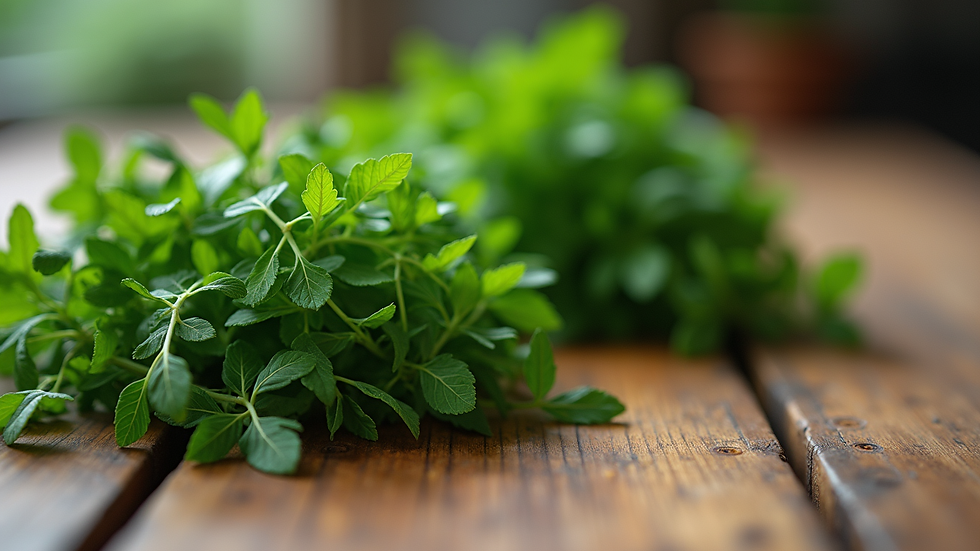
Herbal remedies can support various health concerns. For example, chamomile tea is known for its calming effects, while ginger can aid digestion. Always consult with a healthcare professional before starting any herbal treatments.
Aromatherapy
Aromatherapy uses essential oils to promote physical and emotional well-being. Scents like lavender can help reduce anxiety, while citrus oils can boost energy levels. Diffusing essential oils in your home can create a calming atmosphere.
Massage Therapy
Massage therapy can relieve tension, improve circulation, and promote relaxation. Regular massages can be a valuable addition to your self-care routine.
The Role of Community in Holistic Wellness
Community plays a vital role in supporting holistic wellness. Engaging with others who share similar values can enhance your journey. Here are some ways to foster community connections:
Join Local Groups: Look for local wellness groups, yoga classes, or meditation circles to connect with like-minded individuals.
Online Communities: Participate in online forums or social media groups focused on holistic health and wellness.
Workshops and Retreats: Attend workshops or retreats that focus on holistic practices to deepen your understanding and connect with others.
Overcoming Challenges in Holistic Wellness
While the journey to holistic wellness can be rewarding, it may also come with challenges. Here are some common obstacles and how to overcome them:
Time Constraints
Finding time for wellness practices can be difficult. Consider:
Scheduling: Block out specific times in your calendar for wellness activities, just as you would for work or appointments.
Short Sessions: Even short bursts of activity or mindfulness can be beneficial. Aim for 10-15 minutes of focused practice when time is limited.
Lack of Support
Not everyone may understand or support your holistic wellness journey. To navigate this:
Communicate: Share your goals and reasons for pursuing holistic wellness with friends and family. They may be more supportive than you expect.
Seek Like-Minded Individuals: Surround yourself with people who share your interests and values to create a supportive network.
Information Overload
With so much information available, it can be overwhelming to know where to start. To simplify:
Start Small: Choose one or two areas of wellness to focus on initially. Gradually incorporate more practices as you feel comfortable.
Trust Your Instincts: Listen to your body and intuition. What works for one person may not work for another.
Conclusion
Embracing holistic wellness is a journey that requires commitment and self-awareness. By focusing on the interconnectedness of your physical, mental, emotional, and spiritual health, you can create a balanced and fulfilling life. Remember, the path to wellness is unique for each individual, so take the time to explore what resonates with you. Start today by incorporating small changes into your routine, and watch as your overall well-being flourishes.
Take the first step towards holistic wellness and discover the transformative power of natural healing. Your journey to a healthier, more balanced life begins now.

Comments