Top Herbs for Natural Self-Care and Healing
- sonoracarter0922
- Apr 29
- 4 min read

In a world increasingly focused on wellness and holistic health, the use of herbs for self-care and healing has gained significant traction. These natural remedies have been utilized for centuries across various cultures, offering a wealth of benefits that can enhance both physical and mental well-being. This blog post explores some of the top herbs that can support your self-care routine and promote healing.
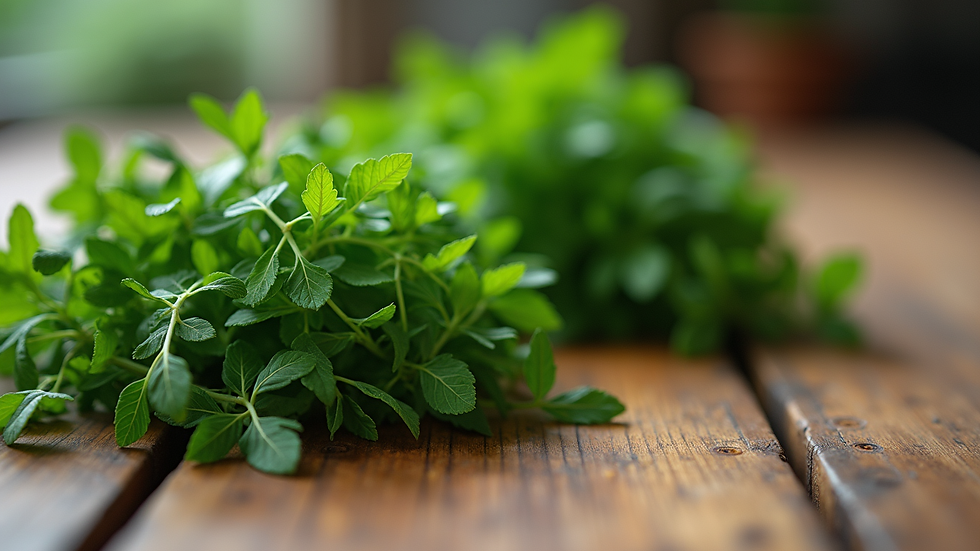
Understanding the Power of Herbs
Herbs are not just culinary ingredients; they are powerful allies in our journey toward better health. Many herbs contain compounds that can help alleviate symptoms, boost immunity, and promote overall wellness. By incorporating these herbs into your daily routine, you can harness their natural healing properties.
The Benefits of Using Herbs
Natural Remedies: Herbs can provide relief from common ailments without the side effects often associated with pharmaceuticals.
Nutritional Value: Many herbs are rich in vitamins, minerals, and antioxidants, contributing to a balanced diet.
Mental Clarity: Certain herbs can enhance cognitive function and reduce stress, promoting mental well-being.
Holistic Approach: Using herbs encourages a holistic approach to health, addressing both physical and emotional needs.
Top Herbs for Self-Care
1. Chamomile
Chamomile is well-known for its calming effects. Often consumed as a tea, it can help reduce anxiety and promote sleep. Its anti-inflammatory properties also make it beneficial for digestive issues.
How to Use: Brew chamomile tea before bedtime to help relax and unwind.
Caution: Avoid if you have allergies to plants in the daisy family.
2. Lavender
Lavender is famous for its soothing aroma, which can help alleviate stress and anxiety. It is often used in aromatherapy and can also promote better sleep.
How to Use: Use lavender essential oil in a diffuser or add dried lavender to your bath for a calming experience.
Caution: Some individuals may experience skin irritation; always do a patch test before topical application.
3. Peppermint
Peppermint is not only refreshing but also offers numerous health benefits. It can help relieve headaches, digestive issues, and muscle pain.
How to Use: Drink peppermint tea or apply diluted peppermint oil to sore muscles for relief.
Caution: Avoid using peppermint oil on sensitive skin or near the eyes.
4. Echinacea
Echinacea is often used to boost the immune system and fight off colds and infections. It is believed to enhance the body’s natural defenses.
How to Use: Take echinacea supplements or drink echinacea tea at the onset of cold symptoms.
Caution: Consult with a healthcare provider if you have autoimmune disorders.
5. Ginger
Ginger is a powerful anti-inflammatory herb that can help with nausea, digestion, and even pain relief. It is commonly used in cooking and herbal remedies.
How to Use: Add fresh ginger to smoothies, teas, or stir-fries for a health boost.
Caution: Excessive consumption may cause heartburn or digestive upset.
Incorporating Herbs into Your Daily Routine
Integrating herbs into your self-care routine can be simple and enjoyable. Here are some practical ways to do so:
Herbal Teas
Herbal teas are an easy way to enjoy the benefits of herbs. You can create your own blends or purchase pre-made options. Some popular combinations include:
Chamomile and Lavender: For relaxation.
Peppermint and Ginger: For digestive support.
Echinacea and Lemon: For immune boosting.
Essential Oils
Essential oils derived from herbs can be used in various ways, including:
Aromatherapy: Diffusing essential oils in your home can create a calming atmosphere.
Topical Application: Diluting essential oils with a carrier oil allows for direct application to the skin.
Cooking with Herbs
Incorporating fresh herbs into your meals not only enhances flavor but also boosts nutritional value. Consider adding:
Basil: Great in salads and pasta dishes.
Thyme: Perfect for soups and stews.
Rosemary: Excellent for roasted vegetables and meats.
Creating a Herbal Self-Care Kit
A herbal self-care kit can be a wonderful way to have your favorite herbs on hand. Here’s how to create one:
Essential Items to Include
Dried Herbs: Chamomile, lavender, peppermint, and ginger.
Essential Oils: Lavender, eucalyptus, and tea tree oil.
Herbal Teas: A selection of your favorite blends.
Infuser: For brewing loose-leaf teas.
Journal: To track your experiences and effects of different herbs.
Tips for Use
Experiment: Try different combinations to find what works best for you.
Stay Informed: Research the benefits and potential side effects of each herb.
Listen to Your Body: Pay attention to how your body responds to different herbs and adjust accordingly.
The Importance of Quality
When using herbs for self-care, the quality of the herbs matters. Here are some tips for selecting high-quality herbs:
Source: Choose organic herbs whenever possible to avoid pesticides and chemicals.
Freshness: Look for herbs that are vibrant in color and have a strong aroma.
Reputable Brands: Purchase from trusted brands that provide transparency about their sourcing and processing methods.
Conclusion
Herbs offer a natural and effective way to enhance your self-care routine and promote healing. By incorporating herbs like chamomile, lavender, peppermint, echinacea, and ginger into your daily life, you can support your physical and mental well-being. Remember to experiment with different herbs, listen to your body, and prioritize quality to make the most of these natural remedies.
Take the first step towards a healthier you by exploring the world of herbs today!


Comments